Fusor
Inertial electrostatic confinement fusion — four stages of vacuum engineering, high-voltage systems, neutron detection, and deuterium plasma at Tec de Monterrey.
An IEC (inertial electrostatic confinement) fusion device built across four stages — from a leaky high-school science fair demo to a turbomolecular-pumped deuterium plasma experiment at Tec de Monterrey. Each stage taught me something new: vacuum engineering, high-voltage power electronics, microcontroller firmware, and experimental nuclear physics.
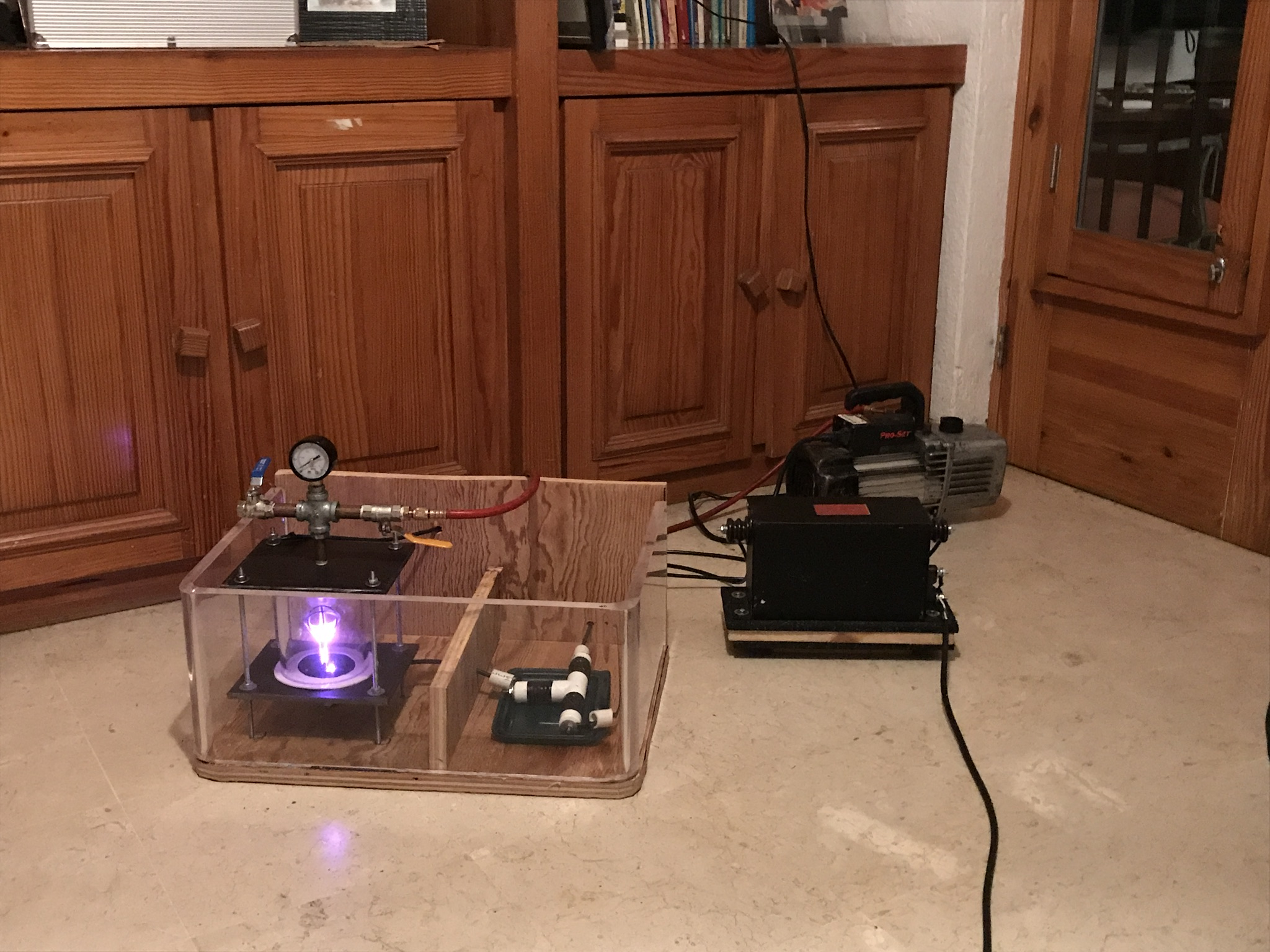
Stage 1 — First Demo (2017)
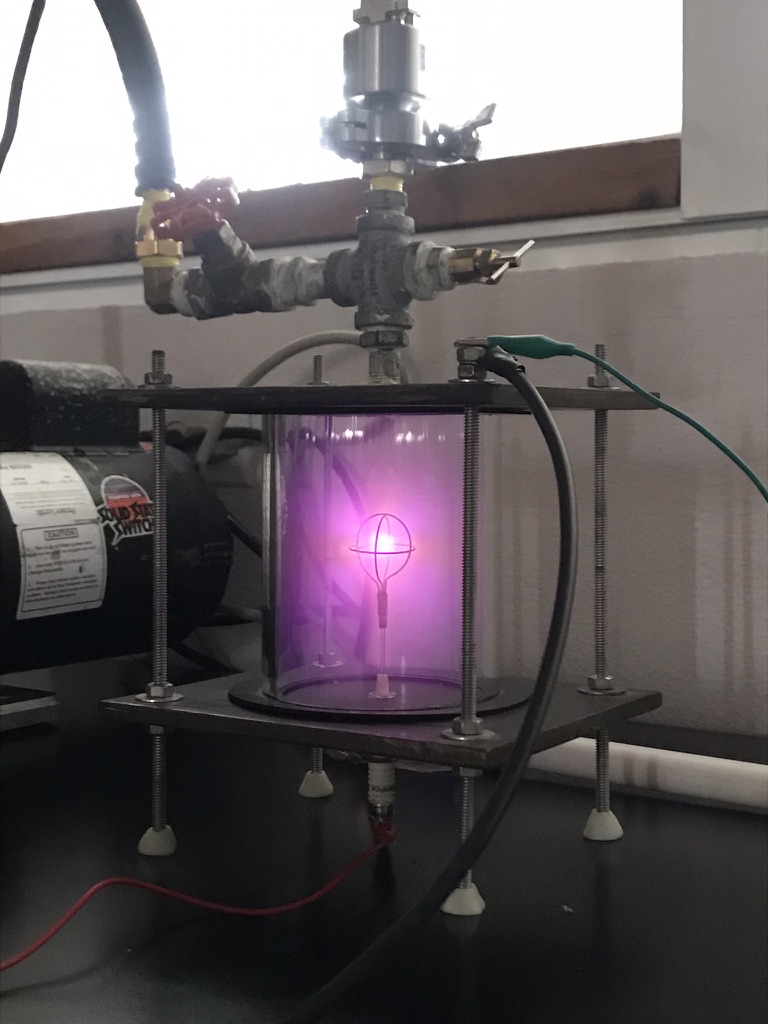
Built and assembled with friends Marcelo, Fabrizio, and Héctor for the high-school science fair. As a first DEMO it worked and got us a crowd, but the vacuum system had no measurement and plenty of leaks — plasma glow was diffuse and uncontrolled. Not precise enough in my mind. That gap was worth fixing.
Stage 2 — Vacuum Upgrade & Science Fair Win (2018)
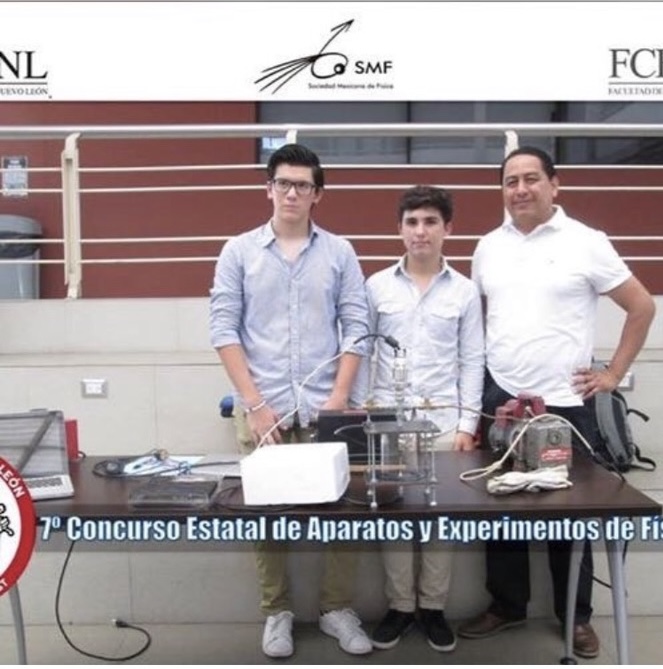
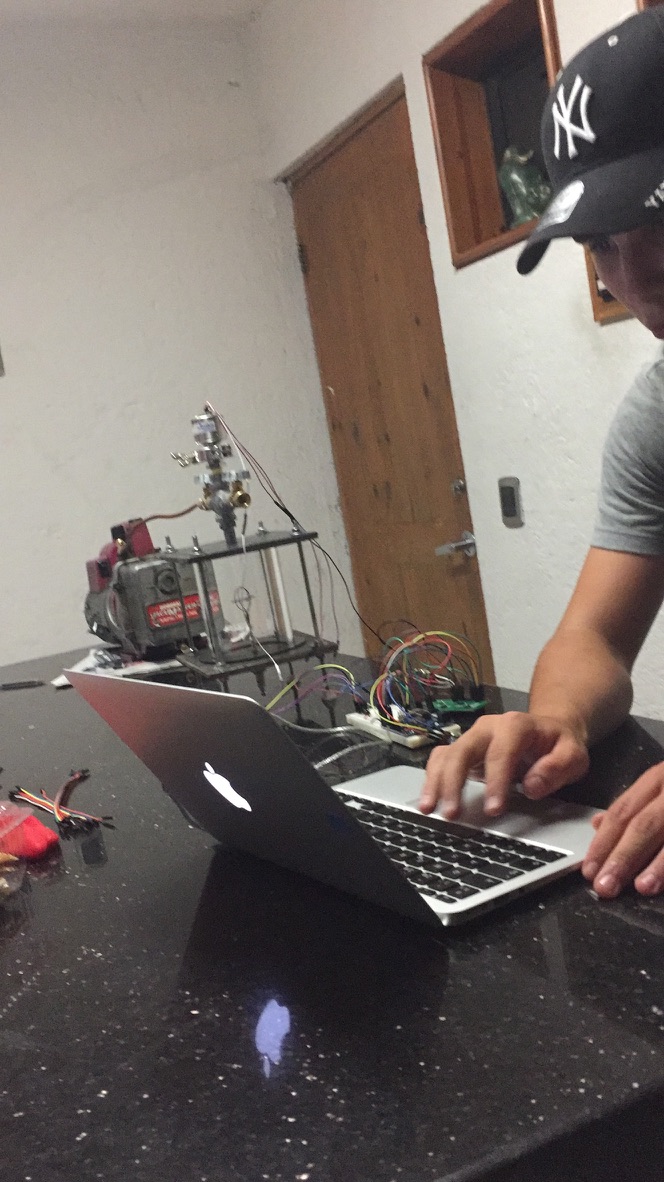
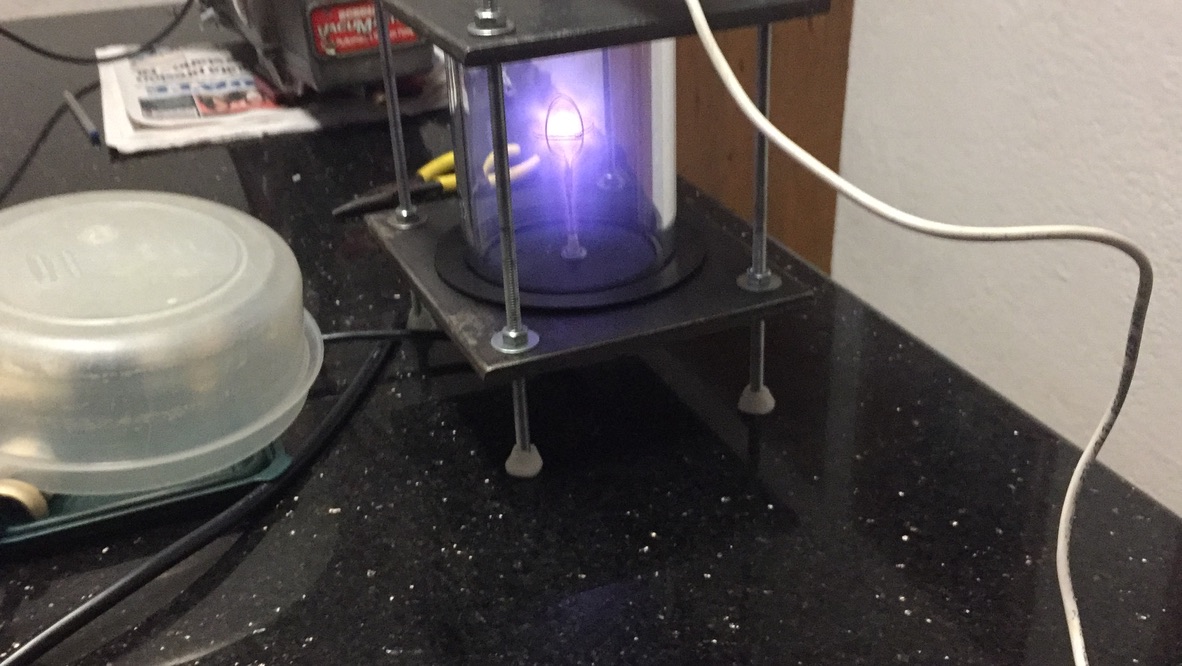
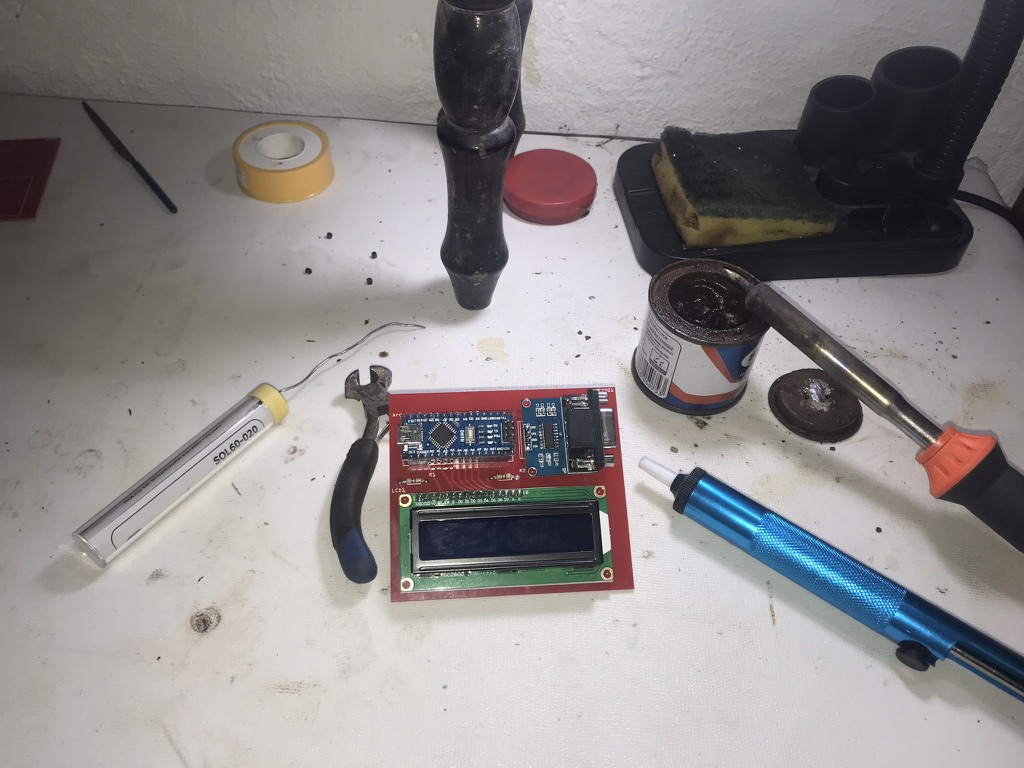
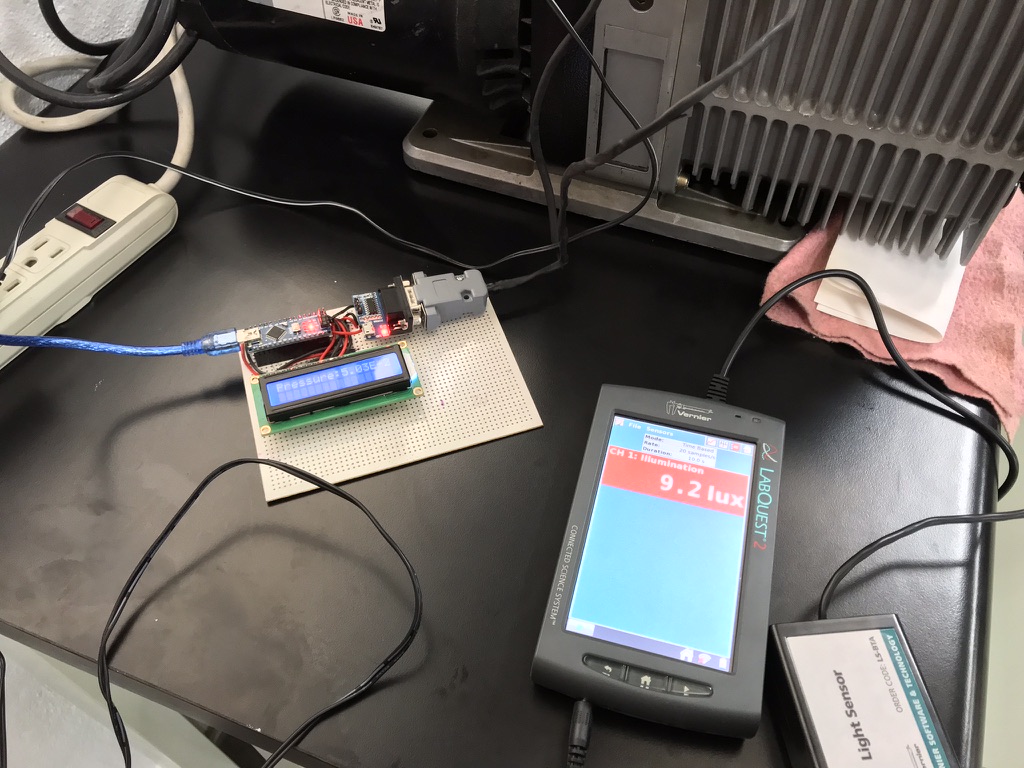
Rebuilt the vacuum system with better components, proper fittings, and — most importantly — a real gauge. The MKS 901P Pirani I sourced off eBay came without a controller, so I read the serial protocol datasheet and built my own: an Arduino UNO driving an LCD to display live pressure. That was my first microcontroller project, and it immediately showed how powerful knowing actual vacuum levels is. With a working gauge, fine-tuning the plasma became possible. Marcelo and I took the improved machine to the state science fair and won first place, then attended nationals with our physics professor.
Stage 3 — IB Physics: Plasma Characterization (2019)
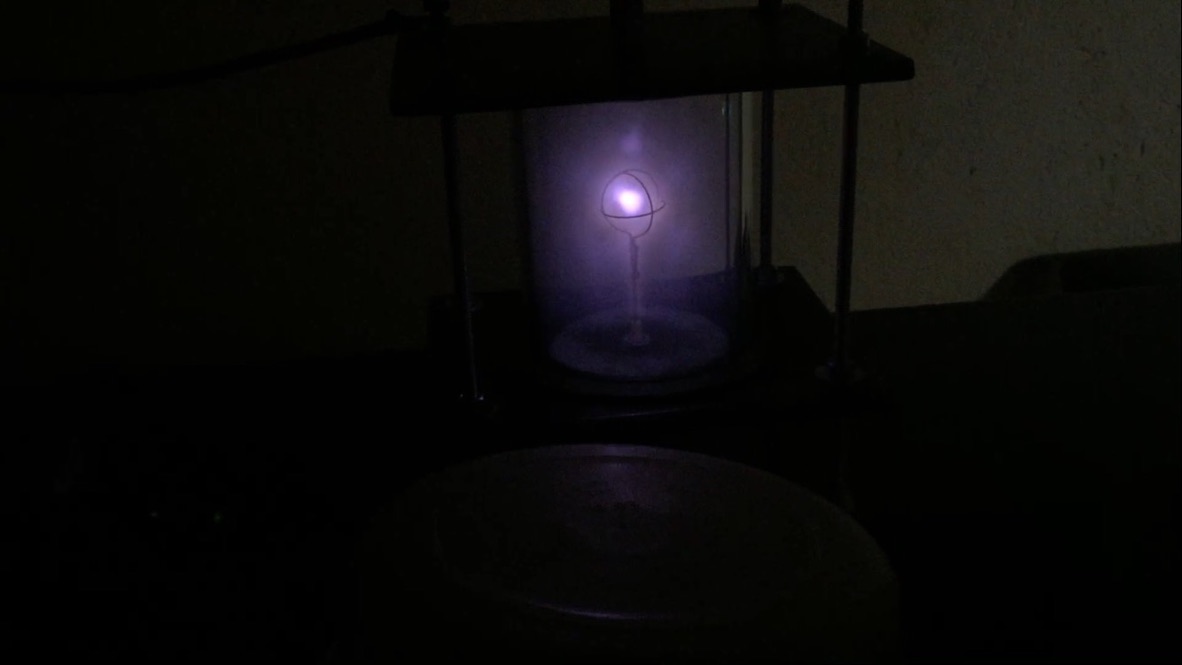
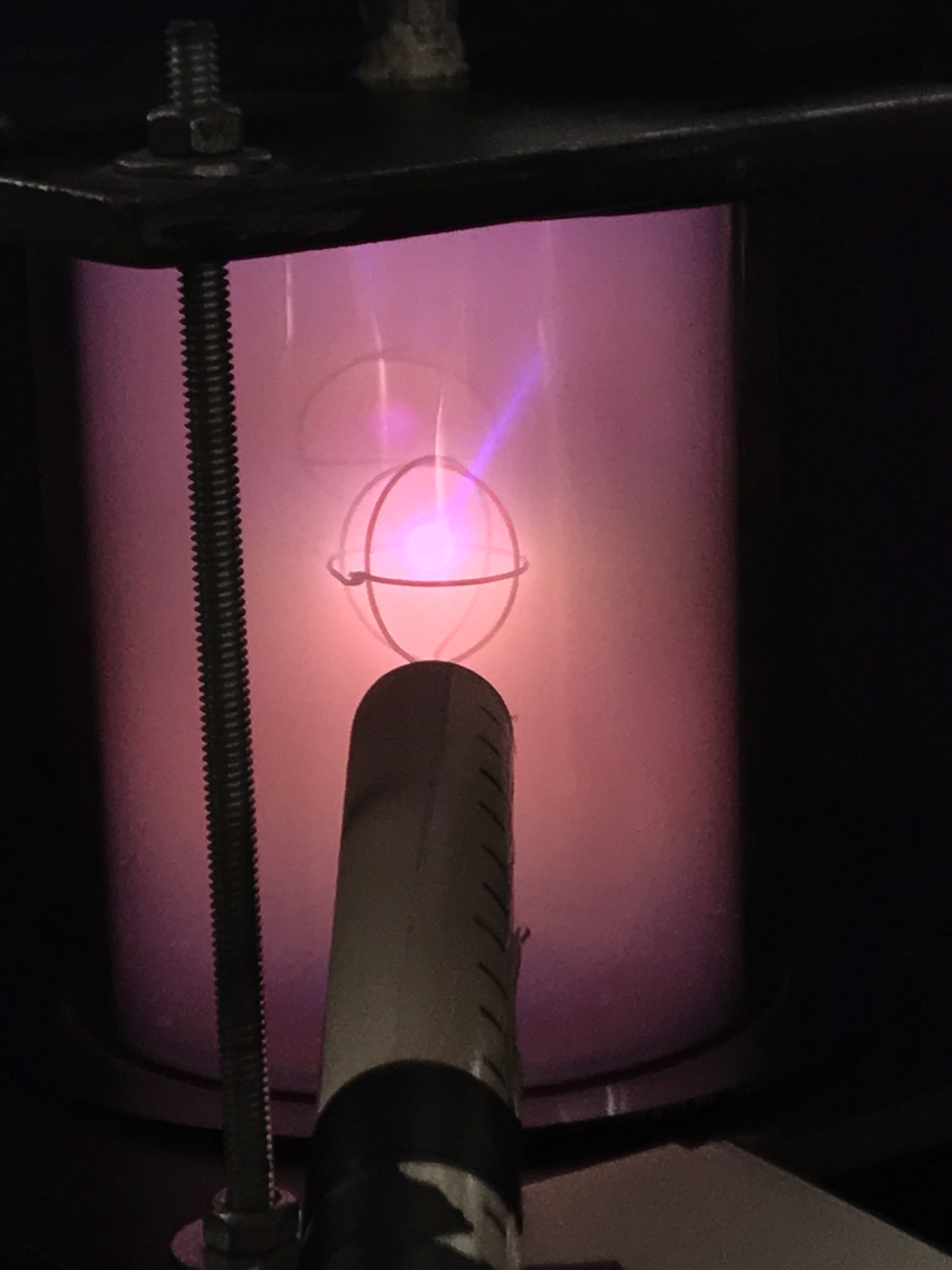
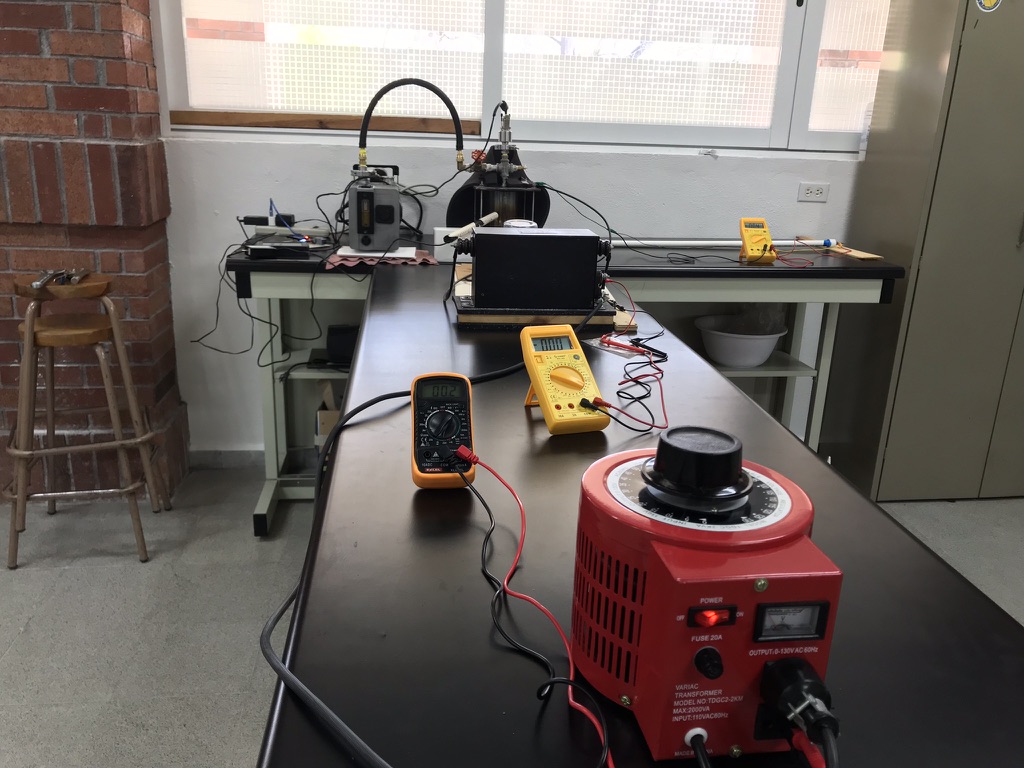
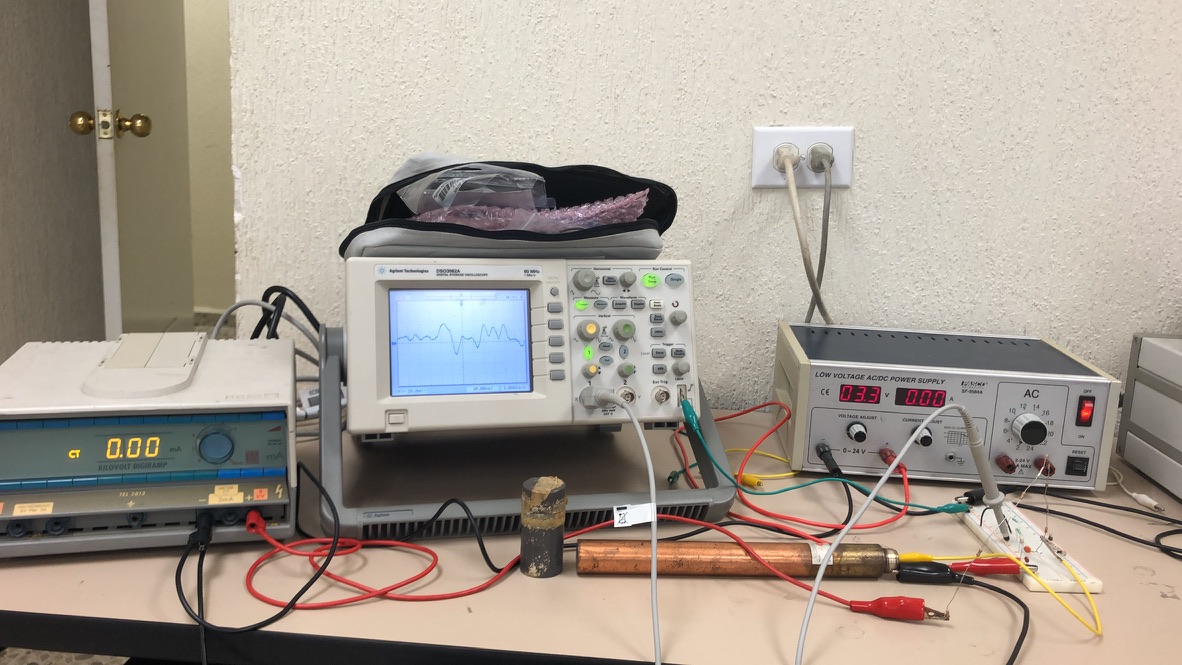
For my IB Physics extended investigation I characterized the relationship between plasma luminosity and applied voltage and current. That required a custom high-voltage measurement rig: shunt resistors for current, and a precision resistor chain acting as a voltage divider (1 V per 1 kV output) — effectively a homemade HV probe. During the process I also changed the vacuum pump to a precision scientific one and got much better plasma conditions.
Stage 4 — Tec de Monterrey: Deuterium Plasma (2020)
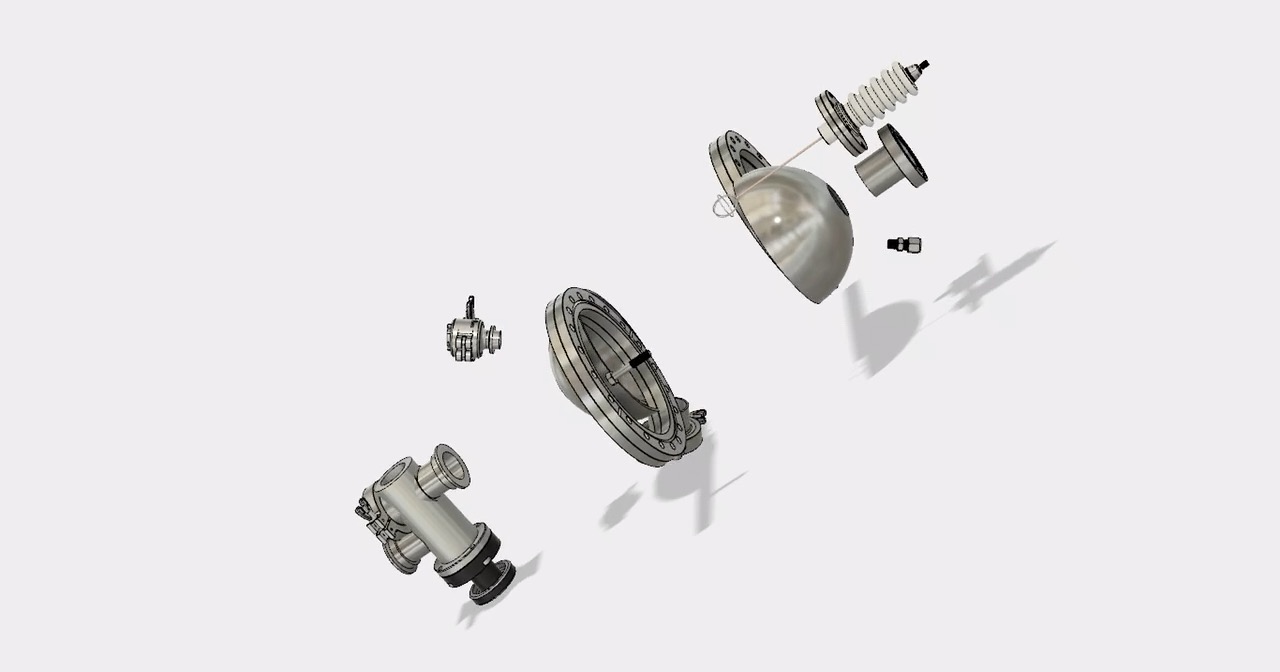
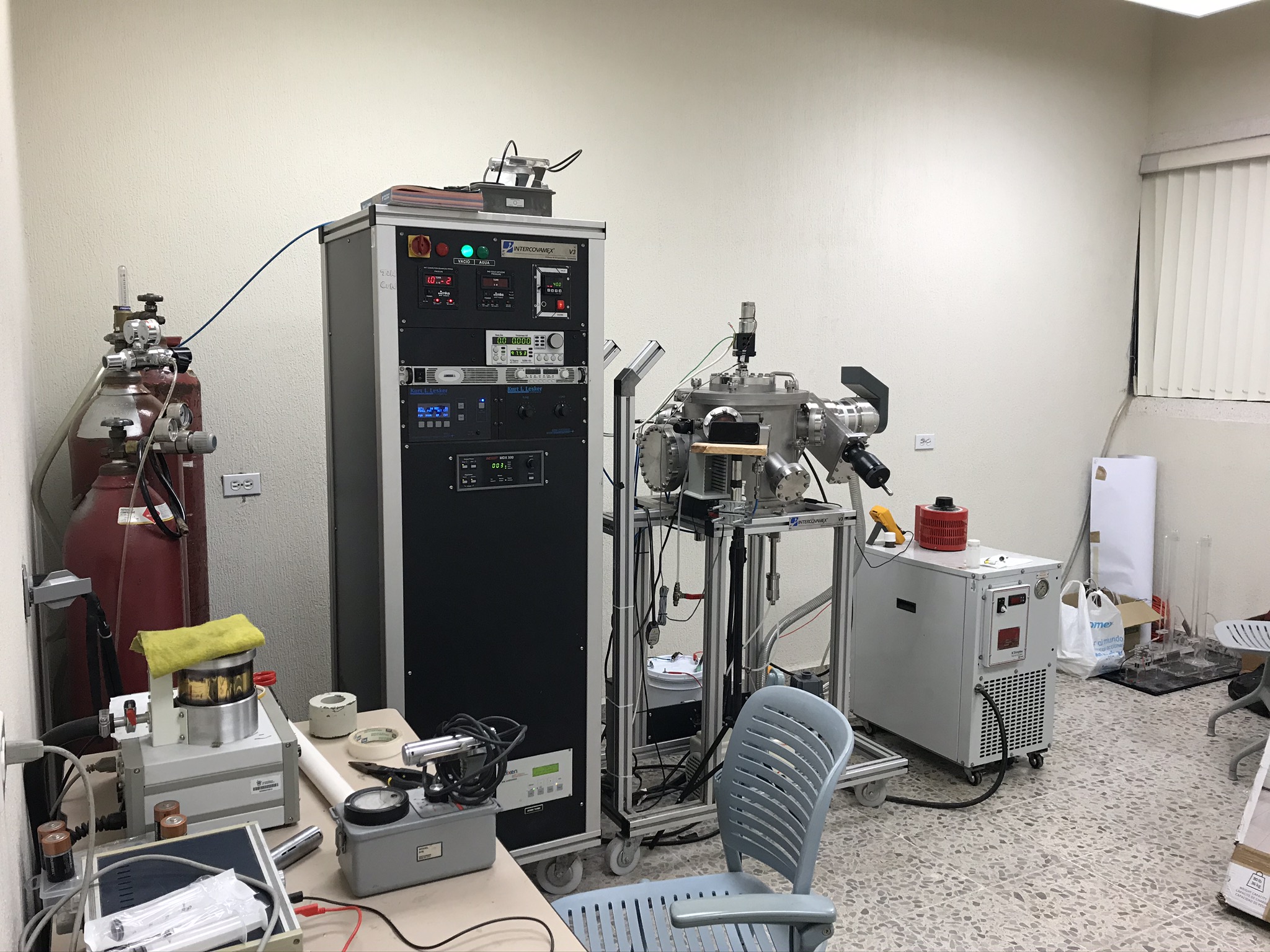
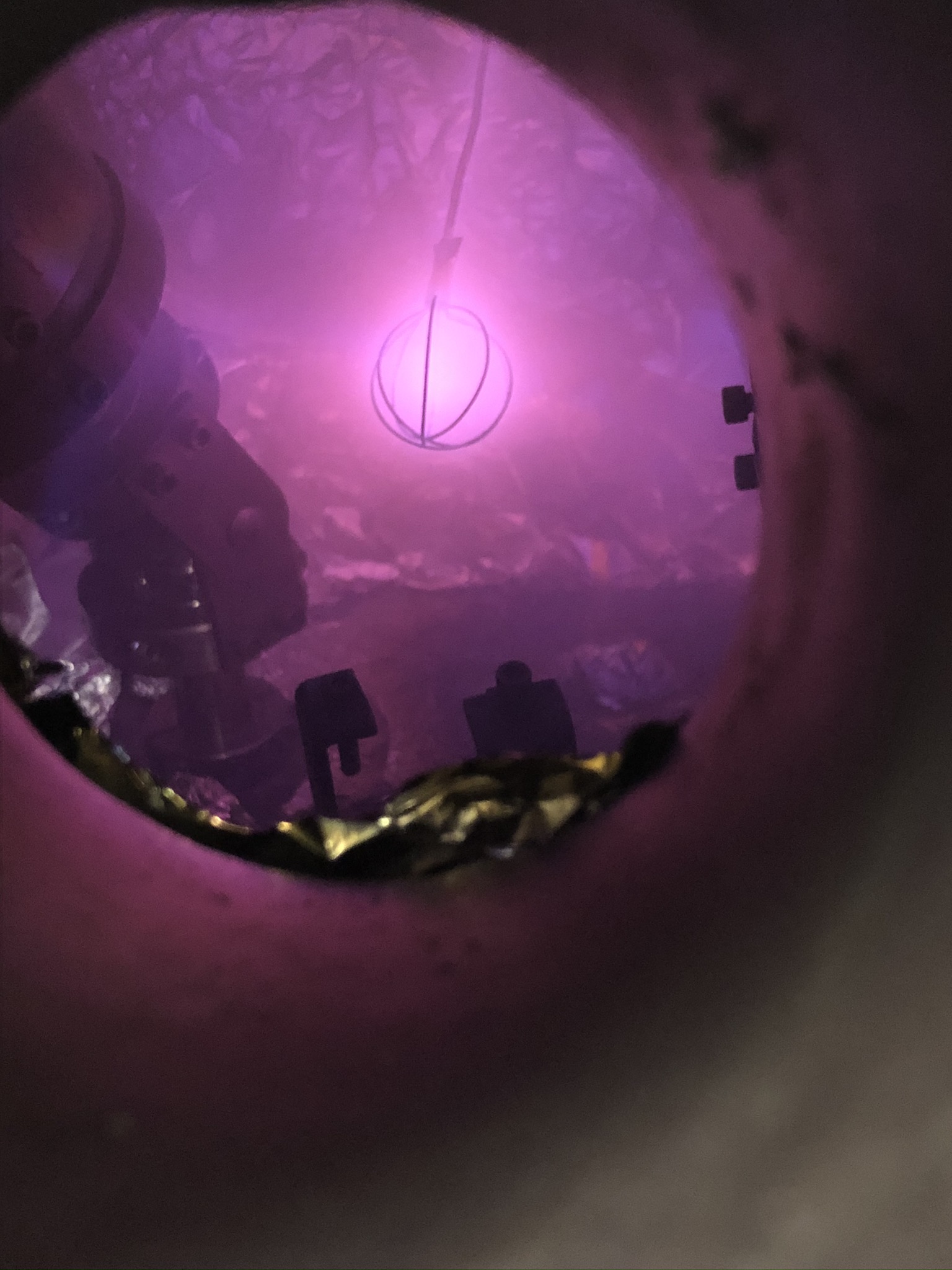
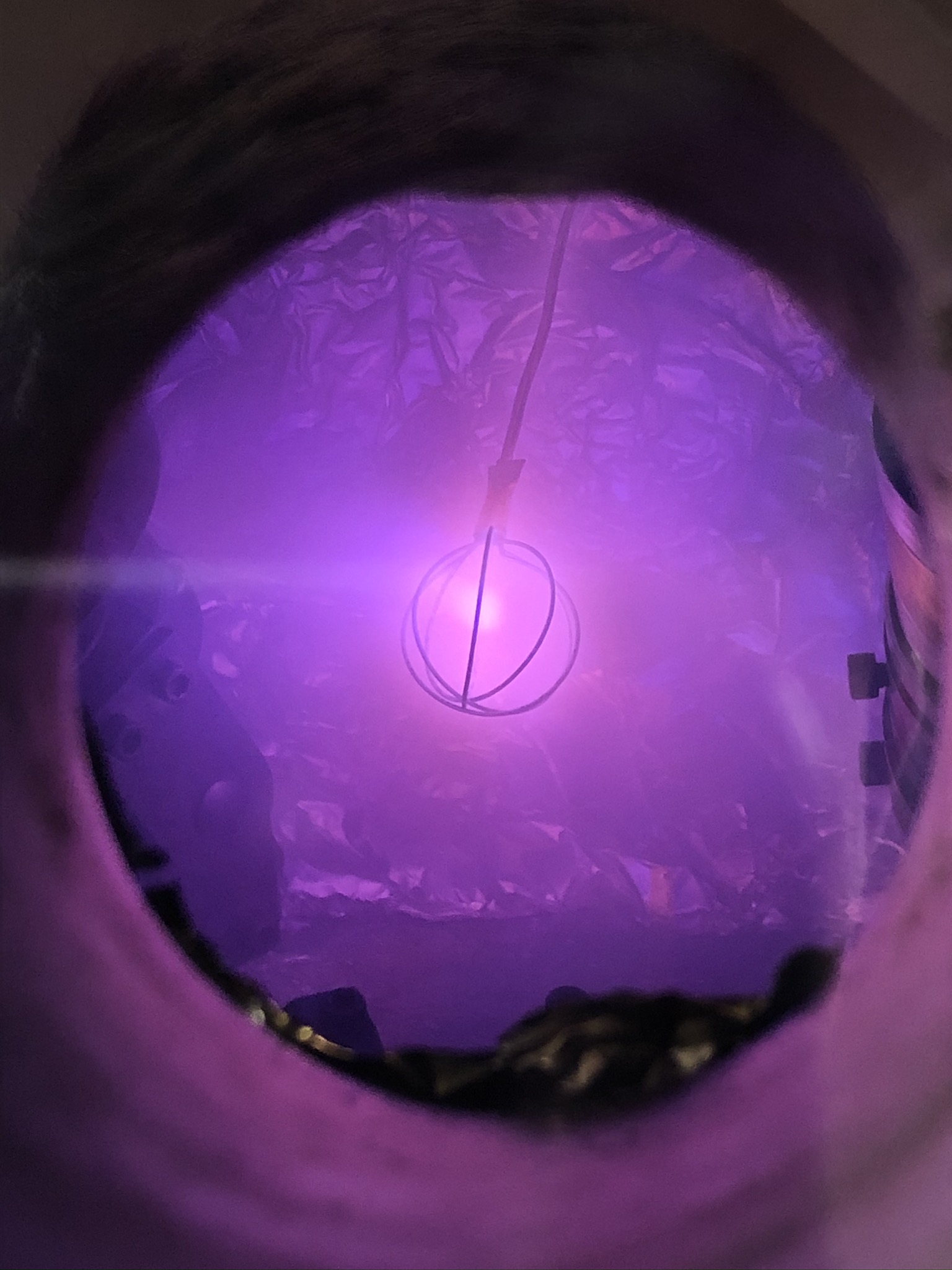
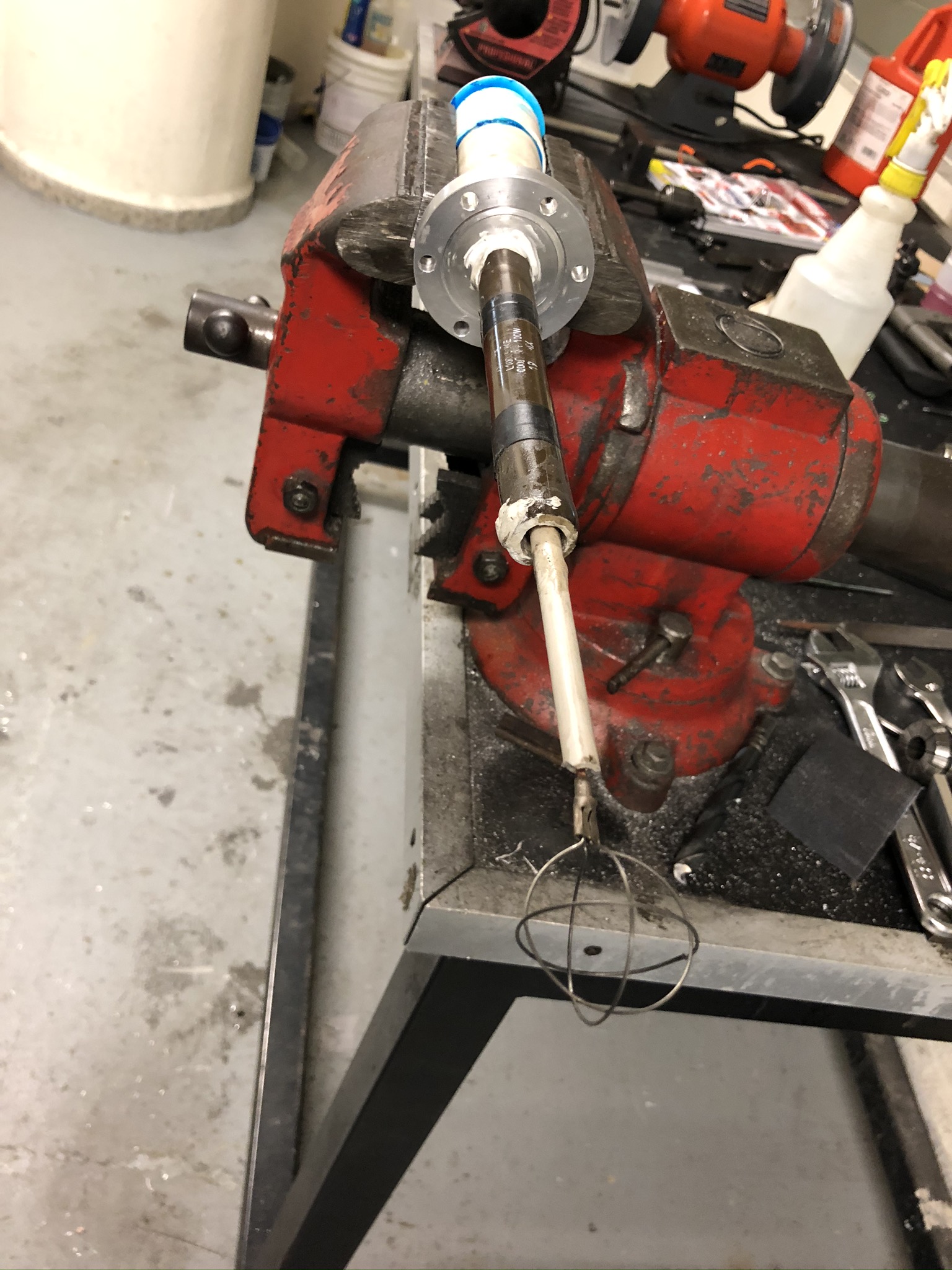
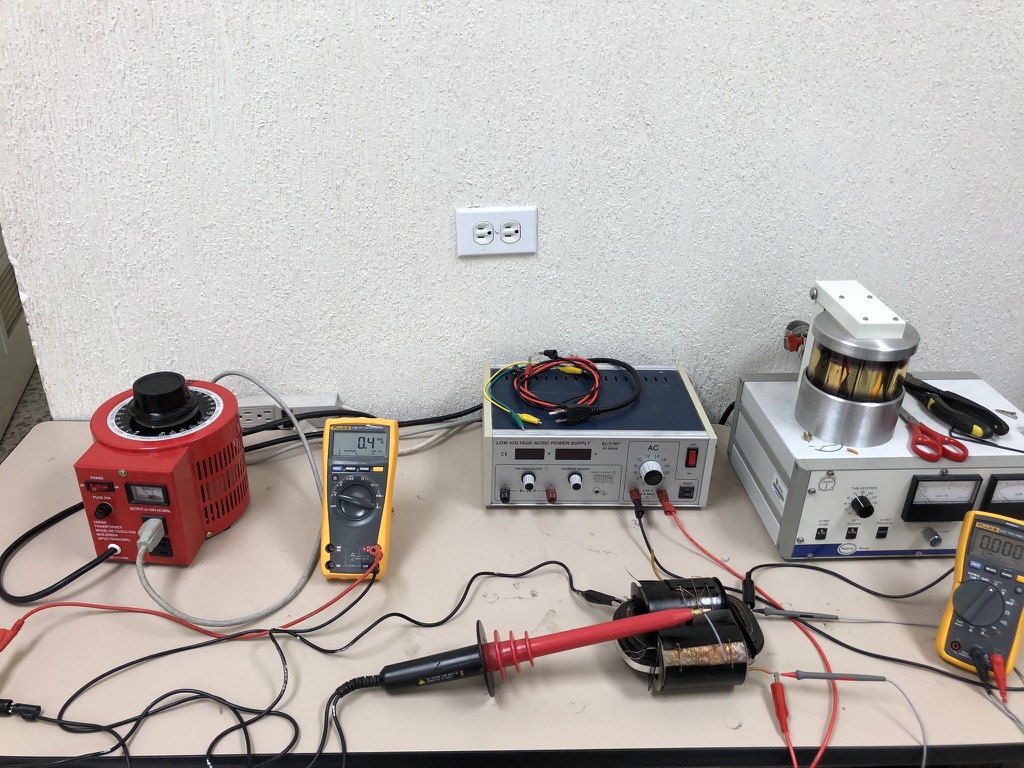
A proper fusor requires a metal chamber and a high-vacuum system. I sought out professors at Tecnológico de Monterrey to help take the project to the next level, which gave me access to the Physics Materials Laboratory’s PVD vacuum system equipped with a turbomolecular pump. I then built a custom 30 kV power supply, a high-voltage electrical feedthrough, and a deuterium gas supply generated via PEM electrolysis of heavy water. The project was developed in collaboration with Dr. Rodrigo Cue and Eng. Jorge Lomas. The program included radiation safety training and work on a BF₃ neutron detector tube with a custom amplifier circuit. The experiments concluded with a confirmed deuterium plasma; the measured glow conditions should have produced neutrons. However, the power supply failed, and the pandemic halted progress before neutron detection could be confirmed. Although no neutrons were ultimately detected, the observed physics and deuterium plasma indicated that the experiment was on the right track.
What Was Built
- Arduino-based vacuum gauge controller for MKS 901P Pirani — serial protocol, LCD readout, first MCU project
- Custom HV measurement rig — precision resistor voltage divider (1 V / 1 kV) and shunt-resistor current sense
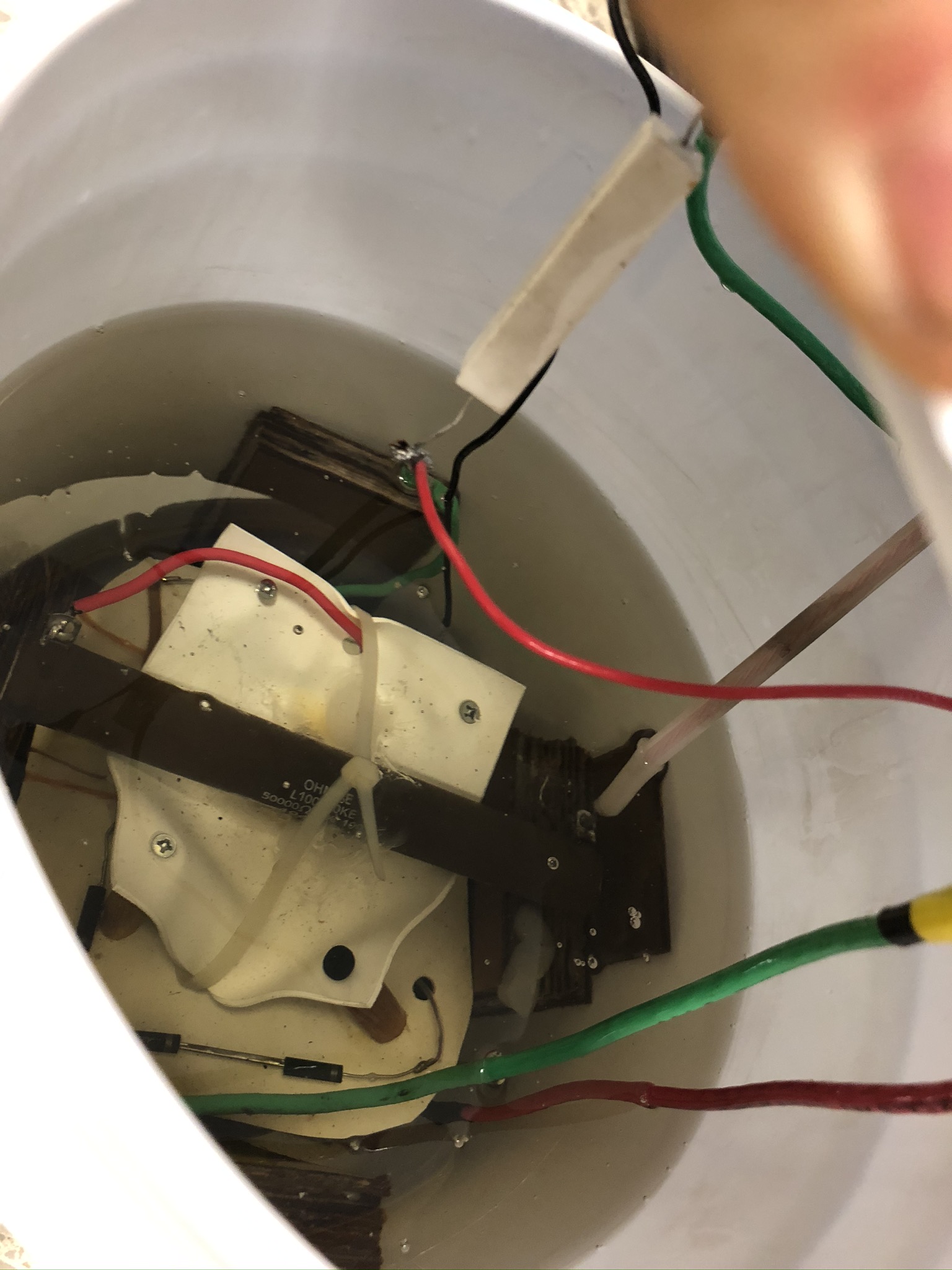
- 30 kV high-voltage power supply — custom wound transformer, rectifier stack, and regulation
- HV electrical feedthrough — machined to fit the PVD chamber flange
- BF₃ neutron detector circuit — charge amplifier based on published literature
- Deuterium gas supply via PEM electrolysis of heavy water
- Radiation safety certification and hands-on work repairing Geiger counters
- The mechanical pump from this project was later repurposed for the La M Studio vacuum casting system